
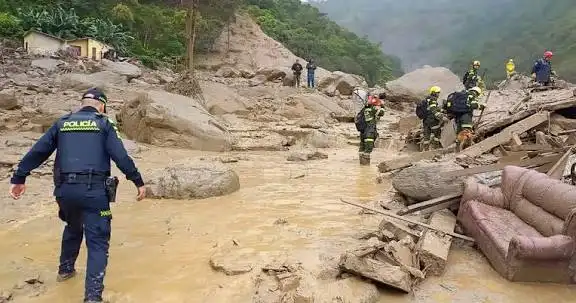
Severe flooding in parts of Colombia has caused the collapse of critical infrastructure disrupting transportation energy supply and access to essential services for thousands of residents. Prolonged heavy rainfall has swollen rivers beyond capacity leading to landslides bridge failures and extensive damage to roads and public utilities.
Authorities reported that several key transport routes were rendered impassable after bridges gave way and road surfaces were washed out. This has isolated rural communities and complicated efforts to deliver food medical supplies and emergency assistance. Power outages and water supply interruptions were also reported in multiple affected areas.
Emergency services have been deployed to conduct evacuations and assess structural damage. Local governments declared emergency conditions in the hardest hit regions allowing for the release of disaster response funds and the mobilization of national resources. Officials warned that continued rainfall could worsen conditions and increase the risk of further infrastructure failures.
Residents described the flooding as among the most destructive in recent memory with homes schools and health facilities sustaining serious damage. Farmers reported losses of crops and livestock raising concerns about longer term impacts on food security and livelihoods.
Environmental experts noted that deforestation unregulated development and climate variability have increased vulnerability to flooding in many parts of Colombia. They emphasized the need for improved land management stronger infrastructure standards and early warning systems.
The disaster has renewed calls for investment in climate resilience and disaster preparedness as Colombia faces increasingly frequent and intense weather related emergencies.











Leave a comment