
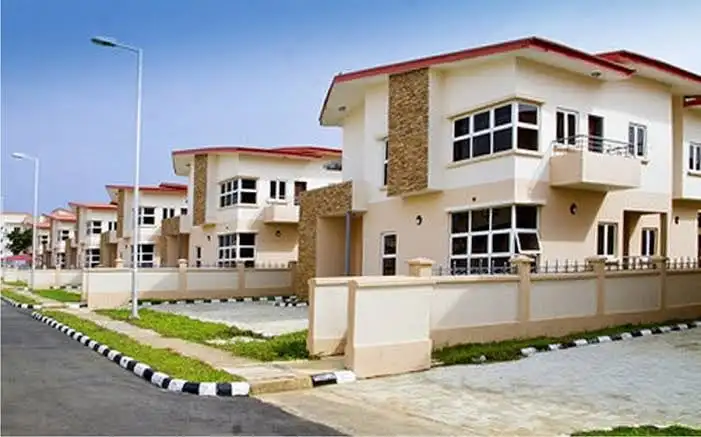
Experts in Nigeria’s real estate industry have highlighted that the Federal Government’s new tax reforms could significantly influence property prices, rents, and investment dynamics. The insights were shared on Thursday in Lagos during the 10th AlphaCrux Real Estate Outlook Conference themed “Amplifying Resilience in the Real Estate Industry in a Disputed Global Economy.”
The Managing Director of AlphaCrux Limited, Tobi Adama, noted that the reforms have already contributed to higher rent prices and property costs, as property owners pass the tax burden onto tenants and buyers. He explained that while the sector is still adjusting to the new regulations, the reforms, along with broader economic trends, will shape real estate performance in 2026.
“Most property owners now have to pay tax on their properties. Instead of paying it directly, they are adding it to rents and sale prices,” Adama said. He also highlighted positive economic signals, including declining inflation, growing external reserves, and renewed foreign investment, as factors likely to support the sector.
Adama emphasized technology’s growing role in real estate over the past decade, from invoicing to sustainable building design, property acquisition, and rental platforms. The conference, he said, provides a platform for industry players to collaborate and extract value in the evolving market.
Supporting the reforms, the Chief Operating Officer of Brokerfield Real Estate Services Limited, Akin Opatola, said measures such as the 1.5% annual luxury property tax are targeted at high-end developments and could become a significant revenue source for the government.
“The luxury tax is aimed at the upper end of the market, such as high-rise developments in Victoria Island, Ikoyi, and Oniru, which are often priced in dollars,” Opatola said. He urged the Lagos State Government to complement tax reforms with improved infrastructure, noting that roads, drainage, security, and public services remain key constraints to real estate growth and investment.
The 1.5% luxury property tax is part of the broader Nigeria Tax Act 2025, which also includes updates to personal and corporate income taxes, capital gains, minimum effective tax rates, and tax administration rules. Experts say that while the reforms may initially raise costs for property owners, they could enhance government revenue, attract investment, and ultimately strengthen Nigeria’s real estate sector.











Leave a comment