
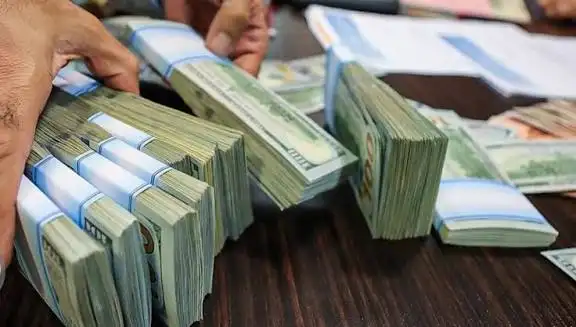
Iran currency continued to face significant pressure on January 30 2026 as new economic data highlighted persistent inflation and reduced purchasing power. Market observers reported ongoing depreciation driven by rising prices and limited confidence in economic ilization efforts. Households have been particularly affected as essential goods become increasingly expensive.
Economists attributed the situation to a combination of structural challenges fiscal constraints and external pressures. Businesses reported difficulties planning investment due to unpredictable currency movements. The central bank has taken steps to manage liquidity but analysts said these measures have had limited impact on broader confidence.
On January 30 2026 officials acknowledged the challenges and stated that controlling inflation remains a priority. However experts warned that without comprehensive reforms pressures on the currency are likely to persist. The situation underscores broader concerns about economic resilience and the need for sustainable policy solutions to restore ility and public trust.





Is it time for Iran to consider implementing new economic strategies to combat inflation? Lets discuss! #EconomicPolicyDebate 🤔📈
Is the solution for Irans inflation crisis as simple as implementing stricter financial regulations? What do you think?
Hmm, I wonder if the government has any solid plans to tackle this inflation issue in Iran. Its getting pretty concerning.
Do you think Irans inflation could lead to wider economic inility in the region? Share your thoughts!
Do you think Irans government should implement stronger measures to combat inflation? Share your thoughts! #EconomicPressure #InflationChallenge
Do you think the Iranian government should consider adopting a new currency to combat the ongoing inflation crisis? Its worth discussing!
Do you think Irans inflation crisis could have a ripple effect on the global economy? Share your thoughts! 🤔💸 #EconomicImpact #InflationWoes
Is it really surprising that Irans currency is under pressure with persistent inflation? Wonder how this will impact the economy.
Do you think Irans current inflation situation will lead to major economic turmoil or will they find a way out? 🤔