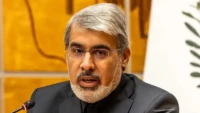
Ezenwa Nwagwu, Executive Director of the Peering Advocacy and Advancement Centre in Africa (PAACA) and member of the Nigeria Civil Society Situation Room on Elections, has expressed concern over the state of opposition politics in Nigeria, describing the country as having “opposition figures, not opposition parties.”
Speaking in Abuja over the weekend, Nwagwu lamented that while opposition actors exist, they often lack coherent policy perspectives or alternative visions for managing the economy. “Many of them are not new actors, yet there is no imagination or alternative vision on how the economy should be run. What we see repeatedly is the same IMF-driven agenda of privatization,” he said.
Nwagwu stressed the importance of citizens focusing on political parties’ internal democracy rather than blaming the electoral umpire, the Independent National Electoral Commission (INEC), for flawed elections. He noted that 90 percent of election challenges stem from the internal workings of parties, such as imposition of candidates, absence of genuine contests, and lack of competition during primaries.
“Stakeholders must pay keen attention to what the political parties are doing. We cannot be described as meddlesome interlopers in the affairs of people who recruit leaders for us. The leader’s selection process is a sacred assignment that the political parties are involved in. They are the ones who present candidates. INEC does not present candidates. Sometimes they even present unqualified candidates, and the matter ends up in court,” Nwagwu explained.
He also urged Nigerians to critically observe party activities ahead of the 2027 general elections, emphasising that strong, visionary opposition parties are essential for a healthy democracy. According to him, the country’s electoral system cannot thrive without credible opposition that presents clear alternatives to government policies.
Nwagwu’s remarks highlight the need for a shift from personality-driven politics toward stronger institutional structures within Nigeria’s political parties, ensuring more competitive and transparent elections.









Interesting perspective, but is it really up to political parties to strengthen opposition or should citizens hold more power?
I think its important for political parties to step up their game for better governance. Strong opposition leads to accountability.
PAACA Boss has a point, weak opposition wont cut it. Stronger political parties are needed for a better future. Thoughts?
I dont know about you guys, but I think strong political parties are essential for a healthy democracy. Lets debate!
I think strong political parties are crucial for a healthy democracy, but is it fair to blame the opposition for being weak? Lets discuss!