
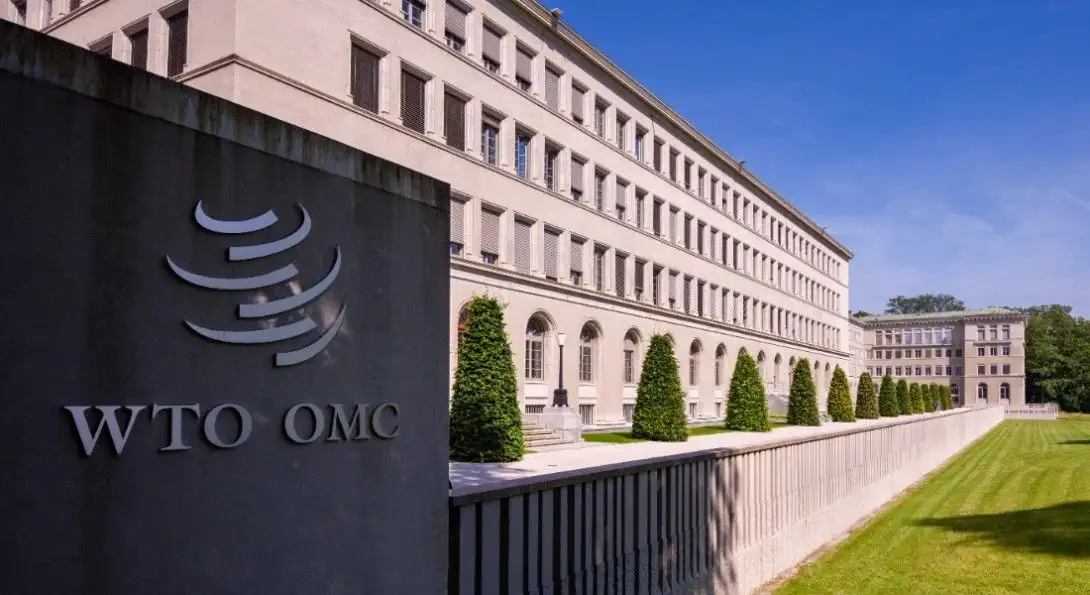
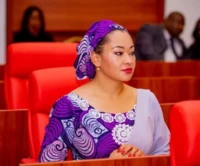
Global trade continues to show resilience despite mounting disruptions and a surge in protectionist policies, according to the head of the World Trade Organization. Speaking during the World Economic Forum in Davos Switzerland, Director General Ngozi Okonjo Iweala said that nearly three quarters of global trade still takes place under World Trade Organization rules, underscoring the system’s enduring relevance.
She acknowledged that recent shocks to the global economy have created uncertainty but argued that they also present an opportunity for meaningful reform. According to Okonjo Iweala, the current moment should be used to make the organization more responsive and better suited to today’s economic realities. She noted that member states are actively engaged in discussions aimed at improving how the organization functions.
Expectations for global economic growth have been revised downward following the decision by United States President Donald Trump to introduce so called reciprocal measures on a range of countries, including major trading partners, in the year two thousand twenty five. These policies have contributed to a more cautious outlook for international trade.
The World Trade Organization’s latest analysis projects that global trade in goods will grow modestly in two thousand twenty five before slowing in the following year. The expected decline is linked to uncertainty created by tariffs and shifting trade policies, which have made long term planning more difficult for businesses and governments alike.
The trade body, now three decades old, has faced growing criticism for struggling to adapt to rapid ces in the global economy. Calls for reform have intensified from within the organization, with many members arguing that existing rules and procedures no longer reflect current trade dynamics.
One of the central concerns is decision making. Under the current consensus based system, all one hundred and sixty six members must agree for new trade agreements to move forward. In practice, a decision can proceed if no member formally objects during meetings, but critics say the process remains slow and cumbersome.
Despite these challenges, Okonjo Iweala emphasized that the foundation of global trade remains strong. She expressed confidence that with targeted reforms and renewed cooperation, the World Trade Organization can continue to play a central role in supporting ility and growth in an increasingly complex global trading system.





Is global trade really holding firm, or is it just a facade? Reform or revolution, whats the answer? 🤔
I dont get why WTO bothers with reform. Let global trade flow as it is! Whos with me? 🌍💸 #TradeForAll
I believe that reform in global trade is necessary, but how can we ensure its done fairly for all countries involved?
I think the WTO should focus on environmental sustainability in global trade. Reform should prioritize protecting our planet for future generations.
I think the WTO reforms are necessary, but will they actually make a difference in the turbulent global trade landscape? 🤔
Is the WTO really capable of meaningful reform in the face of such uncertain times? Lets discuss! 🤔🌍 #GlobalTrade #WTOreform
I believe the WTO reforms are necessary but will they be enough to address the current global trade challenges? What do you guys think?
I think the WTO reforms are necessary, but will they really address the rising uncertainty in global trade? Its a tough call.