
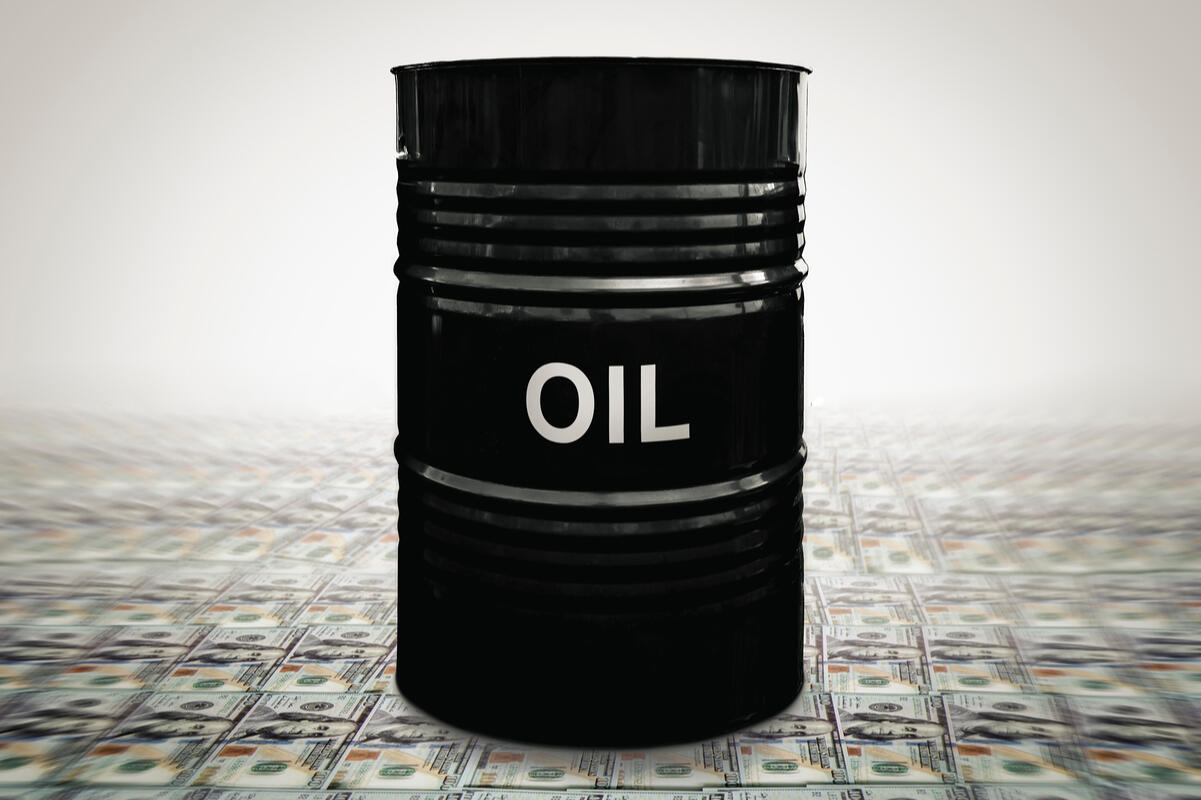
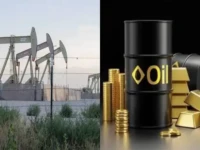
Venezuela is entering one of the most decisive moments in its modern history as lawmakers move forward with a bill that could permanently transform the nation’s oil industry. What began as a legislative debate has now become a symbol of struggle, power and survival in a country whose identity and economy have long been tied to oil.
For decades, Venezuela maintained firm state control over its vast petroleum resources. That control was strengthened in the early years of socialist rule when large parts of the industry were nationalised. Now, for the first time in a generation, the government is preparing to open its oil sector to foreign private companies, signalling a dramatic shift in ideology and policy.
The proposed legislation would allow international investors to participate directly in oil exploration and production. It would also permit companies to resolve disputes through international courts rather than relying solely on local legal systems. At the same time, the government plans to reduce extraction taxes in an effort to attract desperately needed capital and technology.
Supporters of the bill argue that Venezuela has no choice. Oil production has declined sharply over the years due to economic crisis, sanctions and infrastructure decay. Lawmakers backing the reforms insist that resources buried underground bring no value unless they are developed and turned into economic growth. In their view, opening the sector is not betrayal but necessity.
However, the timing of the reforms has intensified controversy. The United States has recently escalated its pressure on Venezuela, demanding greater access for American energy companies and warning of consequences if the government fails to comply. Statements from Washington have carried a tone of threat rather than diplomacy, reinforcing fears that Venezuela’s sovereignty is being tested by foreign power.
The political atmosphere surrounding the bill is charged with tension. Many Venezuelans see the reforms as evidence that external forces are shaping national policy. Others believe the government is sacrificing long held principles in exce for survival. Critics warn that opening the oil sector could expose the country to legal battles, foreign influence and long term economic dependency.
Inside the National Assembly, the bill has already passed its first round of debate and is moving toward further discussion. While supporters celebrate it as a path to recovery, opponents see it as the beginning of a dangerous transformation that could redefine Venezuela’s identity and future.
Beyond economics, the debate reflects a deeper crisis. Venezuela is caught between ideology and reality, between national pride and global pressure, between control and compromise. The country’s leadership must decide whether maintaining absolute sovereignty over its resources is worth the continued economic decline, or whether opening the door to foreign investors is the only way to revive a collapsing industry.
As the bill advances, the world is watching closely. The outcome will not only determine the future of Venezuela’s oil sector but also reshape its relationship with powerful nations and redefine its position in global politics.
What is unfolding in Caracas is more than a policy ce. It is a turning point that could alter the destiny of a nation built on oil, tested by crisis and pushed to the edge by forces both within and beyond its borders.





Im not convinced that Venezuelas oil situation will improve with all these political tensions. Seems like a never-ending cycle.
This article on Venezuelas oil situation is eye-opening! Who knew politics could impact soing as crucial as oil production? Mind-blowing stuff!
I think Venezuelas oil situation is a ticking time . The political turmoil is just adding fuel to the fire. Thoughts?
This article really makes you think about the complexities of oil politics in Venezuela. What do you think will happen next?
I think Venezuelas oil crisis is a result of mismanagement rather than external pressure. What do you all think?
Do you think Venezuelas oil crisis will lead to lasting ce? Im curious to hear everyones thoughts on this complex situation.
Do you think Venezuela can navigate its oil turning point amidst all the political chaos? Its a wild ride!
Do you think Venezuela can overcome its oil crisis with the current political situation? Share your thoughts!
Wow, the situation in Venezuela is intense! Do you think the country can overcome these challenges and ilize its oil industry?