
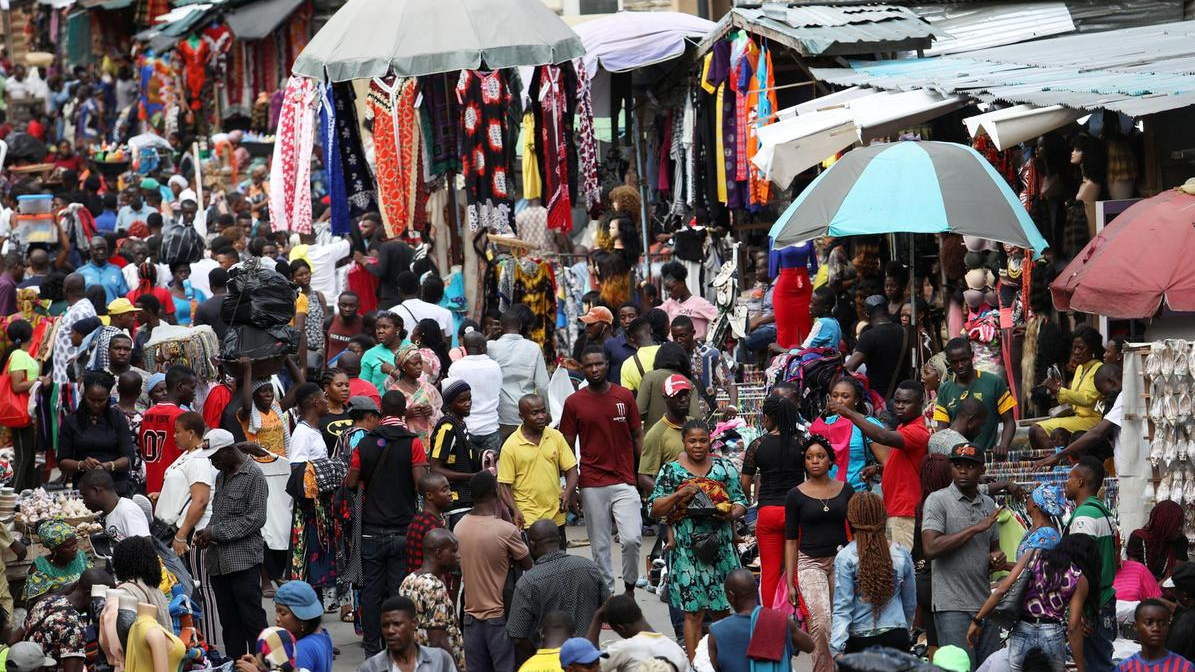
Key players in Nigeria’s fast-growing creator economy have called for the adoption of a value-driven and sustainable framework to guide collaborations between brands and influencers. The call was made amid ongoing debates around ethics, compensation, and expectations within the influencer marketing space.
The appeal came during The Partnership Blueprint, an industry forum hosted by Phenom Communications in Lagos, which brought together creators, brands, agencies, legal practitioners, and media executives to address challenges shaping the ecosystem. Participants at the event emphasised the need for clarity, fairness, and long-term sustainability in brand–influencer relationships.
Speaking at the forum, the Director-General of the National Council for Arts and Culture, Obi Asika, noted that Nigeria’s creative industries had evolved into significant economic drivers. He stressed that as the sector grows, stronger structures are required to protect value for all stakeholders involved.
From the media angle, BellaNaija founder, Uche Pedro, highlighted the responsibility of platforms to encourage credible partnerships. She observed that as digital influence expands, ethical standards and transparency must also increase to maintain trust across the ecosystem.
Content creators at the event raised concerns about unclear deliverables, inconsistent compensation models, and blurred boundaries between courtesy appearances and paid engagements. Influencers such as Ify Mogekwu, Tania Omotayo, Layi Wasabi, and Gbemi Giwa called for industry-wide standards that recognise influencer work as professional labour.
On the brand side, marketing executives explained that campaign structures are often shaped by internal performance targets, return-on-investment demands, and reputation management considerations. Agency professionals added that agencies are frequently caught between both sides, reinforcing the need for clearer rules.
Legal experts concluded that strong contracts, defined usage rights, and proper disclosures are essential to reducing disputes. A consensus session revealed mixed views on payment expectations, with participants agreeing that transparency and context-based arrangements remain the best approach.








Do stakeholders really have the power to drive value in Nigerias creator economy, or is it all just talk? Lets discuss! 🤔
I think stakeholders should prioritize fair compensation for creators in Nigeria. Its crucial for a sustainable and thriving creator economy.
I believe stakeholders should prioritize ethical practices over profit in Nigerias creator economy. What do you think? Lets discuss!
I disagree with the stakeholders! Let the creators in Nigeria have the freedom to determine their own value.
Isnt it time Nigerias creator economy got the recognition it deserves? Lets push for a value-driven framework together!