
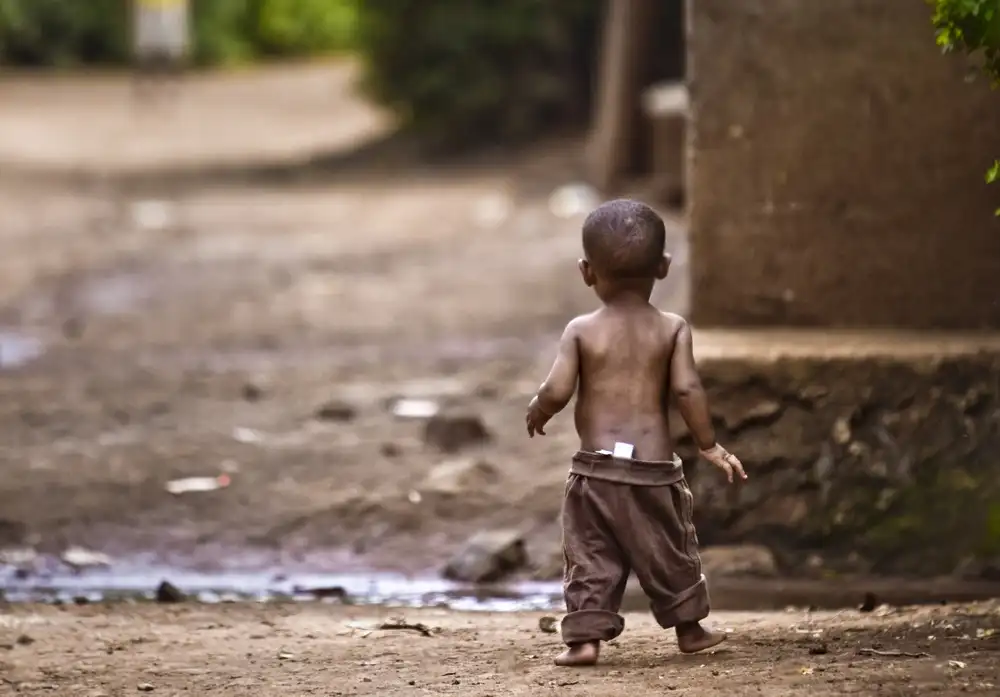
The Federal Government has earmarked about N206.5bn for poverty alleviation-related projects in the 2026 budget, representing just 0.35 per cent of the proposed N58.47tn total expenditure submitted to the National Assembly.
A review of the 2026 Appropriation Bill shows that all projects directly linked to poverty alleviation across ministries, departments and agencies (MDAs), including the Service Wide Vote, amount to N206.5bn. When compared with the proposed capital budget of N23.21tn, the allocation represents about 0.89 per cent.
The bulk of the funding comes from the Service Wide Vote under the National Poverty Reduction with Growth Strategy (NPRGS). Two major recurrent provisions of N100bn each for the NPRGS and NSIP upscaling account for N200bn, or over 96 per cent of the entire poverty alleviation envelope. This leaves only N6.5bn for all MDAs combined.
Among MDAs, the Federal Co-operative College, Ibadan, received the largest allocation of N2.87bn for the provision of tricycles and motorcycles across the six geopolitical zones. Other notable allocations include N840m for the Centre for Management Development, N700m for the Board for Technology Business Incubator Centre, Abuja, and N507.5m for Nigeria Stored Products Research, Ilorin, largely focused on grain distribution.
Most poverty-related projects centre on food distribution, empowerment tools such as tricycles, and capacity-building programmes for women, youths and SMEs. Smaller amounts were allocated to stus, symposiums, technology incubation and administrative coordination.
Despite the modest poverty allocation, the Federal Ministry of Humanitarian Affairs and Poverty Alleviation saw its overall budget rise from N7.1bn in 2025 to N23.56bn in 2026, driven mainly by capital spending. However, several of these capital projects were not directly tied to poverty reduction.
Meanwhile, reports by the World Bank and PwC warn that Nigeria’s poverty rate could rise to about 62 per cent by 2026, underscoring concerns that current spending levels and programme effectiveness may be insufficient to curb worsening poverty nationwide.






Is this really enough to make a dent in poverty? Seems like just a drop in the ocean. #Budget2026 #PovertyAlleviation
Is this allocation really enough to make a significant impact on poverty? Lets discuss the effectiveness and potential outcomes.
Why is poverty alleviation getting such a small percentage of the budget? Shouldnt it be a higher priority? Just a thought.
Isnt it ironic that poverty alleviation gets less than 1% of the budget? Shouldnt we prioritize helping the most vulnerable in our society?
Seems like a drop in the bucket. Shouldnt we prioritize poverty alleviation more? Whats your take on this allocation?
Do you think allocating less than 1% of the budget to poverty alleviation is really enough to make a significant impact? Seems questionable to me.
Shouldnt poverty alleviation be a bigger priority in the budget? Investing in people is investing in our future. #JustSaying
Does this allocation truly reflect the governments commitment to eradicating poverty? Lets discuss and share our views.
Is this really enough to make a difference? Shouldnt more be allocated to uplift the poor? Just a thought.