
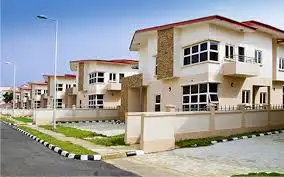
A 2025 Nigeria Real Estate Report by Ubosi Eleh & Co. has identified economic uncertainty and persistent supply chain disruptions as major factors causing delays in construction projects across the country, with significant implications for timelines, budgets and overall sector productivity.
The report noted that the volatile economic environment has contributed to cost overruns and delayed delivery of real estate developments, discouraging both local and foreign investment in the sector. According to the findings, the devaluation of the naira and rising prices of key construction inputs such as cement, steel and labour have substantially increased development costs.
“Economic uncertainties and supply chain disruptions led to project delays and cost overruns, impacting the delivery timelines of real estate developments,” the report stated, adding that the rising cost of materials has made new projects more expensive to execute.
Despite these challenges, the report observed a growing demand for affordable housing across Nigeria, supported by government initiatives aimed at promoting affordable housing development and creating opportunities for developers.
However, it warned that rising operational costs, including utilities and maintenance expenses, have placed additional pressure on landlords, many of whom have responded by increasing rental rates. This, the report said, has further strained tenant affordability, particularly in major urban centres.
Reacting to the report, Emeka Eleh, Senior Partner at Ubosi Eleh & Co., said the combination of naira devaluation and escalating construction input costs has made real estate development increasingly difficult. He explained that supply chain disruptions have also affected the availability of materials, leading to delays and higher project costs.
Eleh added that the prevailing economic uncertainty has weakened investor confidence, limiting capital inflows into the sector. He noted that without improved macroeconomic ility and targeted policy support, challenges facing developers, landlords and tenants are likely to persist.
The report underscores the need for coordinated efforts by government and industry stakeholders to ilise costs, strengthen supply chains and boost investor confidence in Nigeria’s real estate market.











I think the real estate market is in for a wild ride with all these supply chain issues. Who knows whatll happen next?
Maybe its time to get creative with real estate projects amidst all the chaos. Whos up for some out-of-the-box solutions?
I dont buy it – real estate projects can bounce back! Lets stay positive and adapt to the cing times.
Interesting read! Do you think real estate developers should pivot to more resilient projects in the face of supply chain disruptions?