
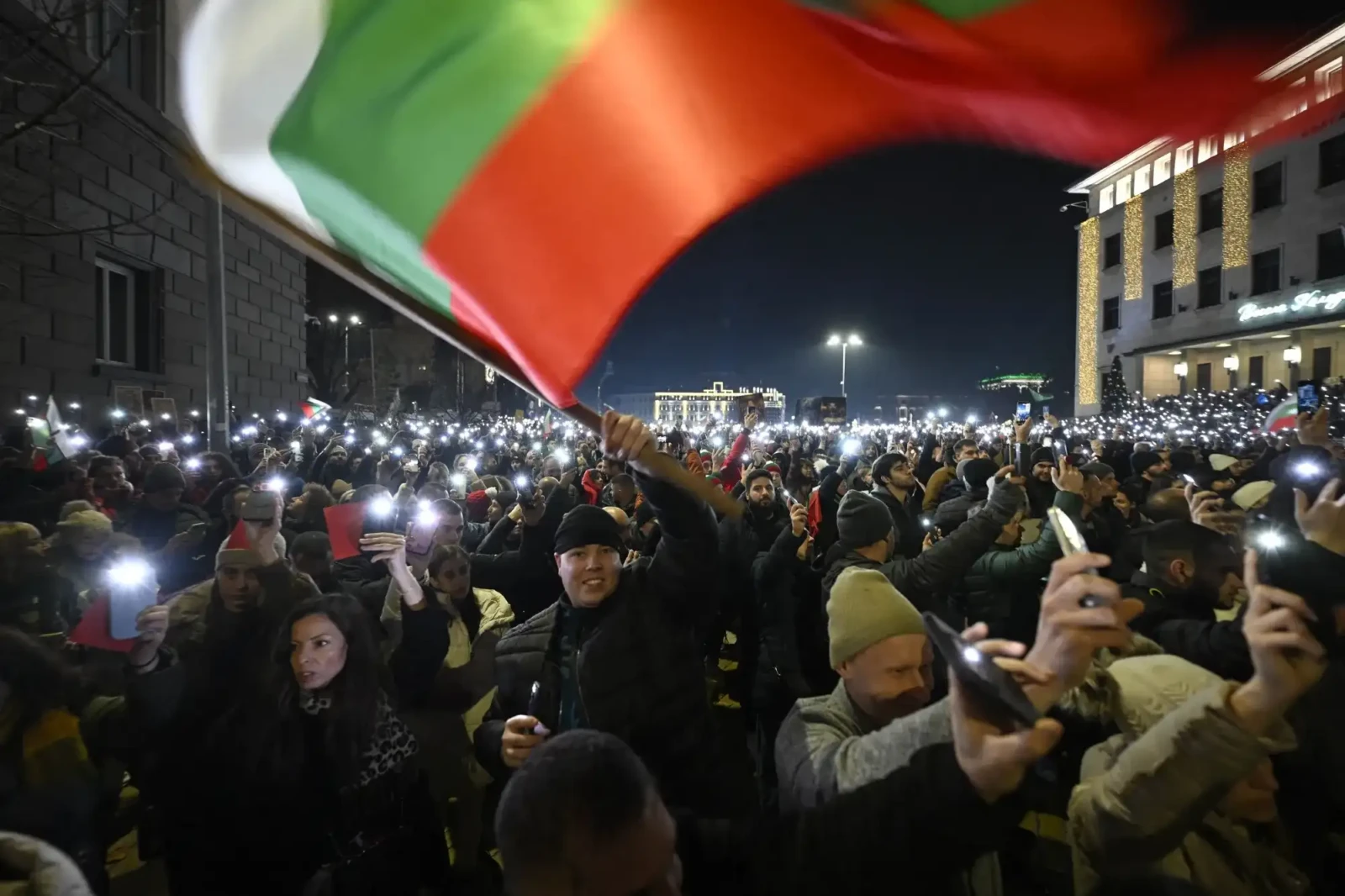
Bulgaria adopted the euro, becoming the 21st member of the eurozone nearly two decades after joining the European Union in 2007. Citizens in Sofia began accessing euros from ATMs, marking the start of a dual-currency period where both the lev and euro are accepted, although only euros are provided as ce during this transition.
The decision to adopt the euro stems from Bulgaria’s intention to deepen EU integration and ilize its economy. The lev had been pegged to the euro at a fixed rate since 1999, positioning Bulgaria as a de facto eurozone member. By officially adopting the euro, Bulgaria aims to eliminate currency exce costs and gain representation in the European Central Bank’s governing council.
However, public skepticism looms over this transition, with about half of Bulgarians opposing the ce due to fears of rising prices and loss of national identity. Nationalist and pro-Russian factions have capitalized on these concerns, suggesting that euro adoption may exacerbate poverty and compromise sovereignty.
The euro adoption has coincided with political inility, as the conservative-led government resigned following widespread anti-corruption protests, leaving Bulgaria without a regular budget for the upcoming year. This lack of a le government raises concerns about implementing crucial economic reforms and utilizing EU support funds effectively.
Economists expect minimal disruption given the long-standing peg between the lev and euro, but the absence of a le government and budget may impede Bulgaria’s economic progress and its capacity to leverage EU membership benefits. As Bulgaria enters this new phase, its success in euro adoption hinges on addressing public concerns, achieving political ility, and executing economic reforms effectively.






I dont get why Bulgaria is so eager to join the Eurozone. Is it really worth it with all the political drama? 🤔
I think Bulgaria going for the Euro is a bold move! Lets see how it plays out with all the political drama. Exciting times ahead!
I think Bulgaria should stick to its own currency. Euros are overrated! Whos with me on this? Lets debate! 🤔💶
I dont get why Bulgaria is so gung-ho about joining the Euro. Seems like they have bigger issues to deal with first!
I believe Bulgaria should prioritize ilizing their political situation before fully embracing the Euro. ility first, currency later!
I dont get why Bulgaria is rushing to embrace the Euro with all the political drama going on. Seems risky, dont you think?
Should Bulgaria really switch to the Euro? I say lets embrace the chaos and see where it takes us! 🇧🇬💶 #EuroAdventure
Im not convinced Bulgaria should adopt the Euro. The political chaos and public skepticism make it risky. What do you all think?