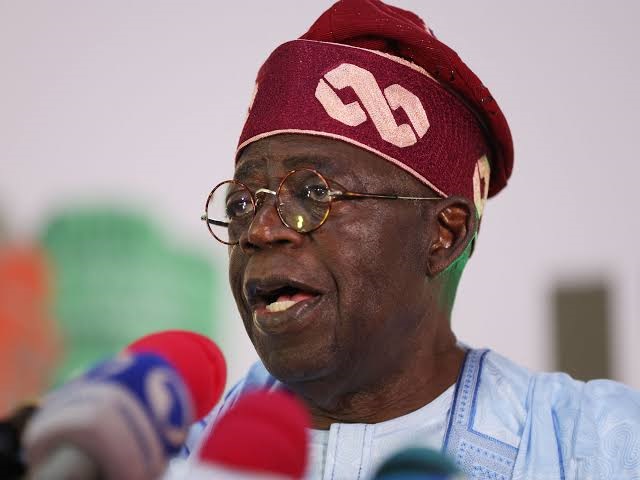
The Nigerian government has decided to postpone the introduction of a 5% fuel tax originally set for January 2026. Finance Minister Wale Edun announced that a new implementation date will be determined later, citing public concerns and economic factors like the need for the naira to appreciate and global oil prices to ilize.
This tax was created under the Federal Road Maintenance Agency (FERMA) Act of 2007 to generate funds for road maintenance, allocating 40% to federal roads and 60% to state and local government roads. Its inclusion in the Nigeria Tax Administration Act 2025 aimed to clarify existing laws for better compliance.
Reactions to the postponement have been mixed. Opposition parties, including the African Democratic Congress (ADC), have criticized the tax reform laws, claiming they could exacerbate economic hardships for Nigerians. The Socialist Party of Nigeria (SPN) has similarly condemned these reforms and called for mass protests from labor and civil organizations.
The government has defended the tax as necessary for funding essential infrastructure projects, which are intended to enhance transportation and logistics, thereby reducing inflation. However, officials recognize the importance of assessing current economic circumstances before proceeding with the surcharge.
As the government continues to monitor relevant economic indicators, the Finance Minister is expected to announce a new timeline for the 5% fuel tax in the coming months. The decision highlights the balance the government seeks to maintain between generating revenue for infrastructure and addressing the economic realities faced by citizens.





I think the delay in the fuel tax is just a tactic to gain public support. Lets see if it actually benefits the people.
I think delaying the fuel tax is just a temporary fix. We need a long-term solution for fair taxation.
Why does Tinubu get special treatment with tax delays? What about regular citizens struggling with high fuel prices?
Why should ordinary citizens bear the burden of a fuel tax when the wealthy evade taxes? Lets demand fairness!
Why delay the fuel tax announcement? Is there a hidden agenda or just poor planning? Curious to know the real reasons behind the delay.
Why does Tinubu get to delay the fuel tax? Shouldnt the government stick to the original plan? Curious to hear more opinions!