
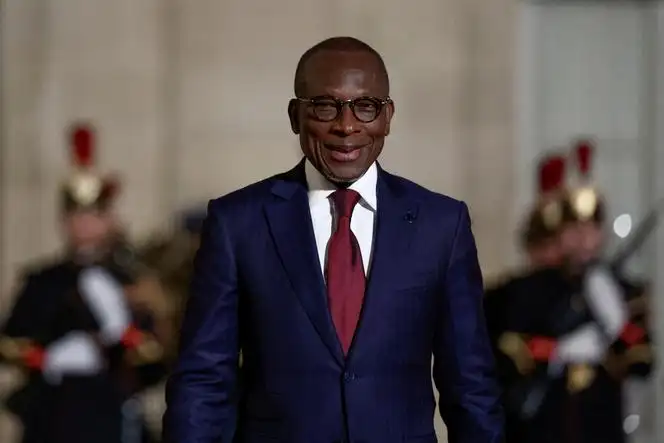
A coup attempt occurred in Benin as solrs, identifying as the Military Committee for Refoundation, declared the dissolution of the government and suspension of the constitution. They announced the removal of President Patrice Talon, elishing a military junta led by Lieutenant Colonel Pascal Tigri. Their justification centered on security concerns and neglect of fallen comrades.
In response, loyalist forces quickly mobilized to counter the coup. Interior Minister Alassane Seidou affirmed that the Beninese Armed Forces retained control, thwarting the mutiny and pledging allegiance to the constitutional government. Reports of gunfire near the presidential residence in Cotonou emerged, though state media disruptions were temporary and soon restored.
The attempted coup drew strong condemnation from both the Economic Community of West African States (ECOWAS) and the African Union, which expressed support for Benin’s constitutional order. This incident is part of a worrying trend in West Africa, with similar recent coups, including a successful attempt in Guinea-Bissau the previous month.
President Talon, in power since 2016, is expected to step down in April 2026, with former Finance Minister Romuald Wadagni being the leading candidate for the upcoming elections. Opposition candidate Renaud Agbodjo has been disqualified due to insufficient political support.
This coup attempt reveals significant political and security challenges in Benin, a nation that has enjoyed relative ility since its shift to multi-party democracy in 1991. The rapid response by loyalist forces and the regional community’s condemnation reflect a strong commitment to upholding constitutional governance in the country.







Im not convinced the coup attempt was real. Could it be a ploy by the government to gain sympathy? Just a thought.
I cant believe there was a coup attempt in Benin! Do you think the military really prevented it, or is there more to the story?
Im not convinced the coup attempt was real. Seems fishy to me. What do you all think? #conspiracytheory
Im not convinced the coup attempt was real. Seems fishy. What do you all think? 🤔 #conspiracytheory #BeninCoup
Honestly, Im not entirely convinced the coup attempt was real. Could it be a ploy for the government to tighten its grip?
Do we trust the militarys version of events in Benins reported coup attempt? Lets question the narrative. #CriticalThinking