
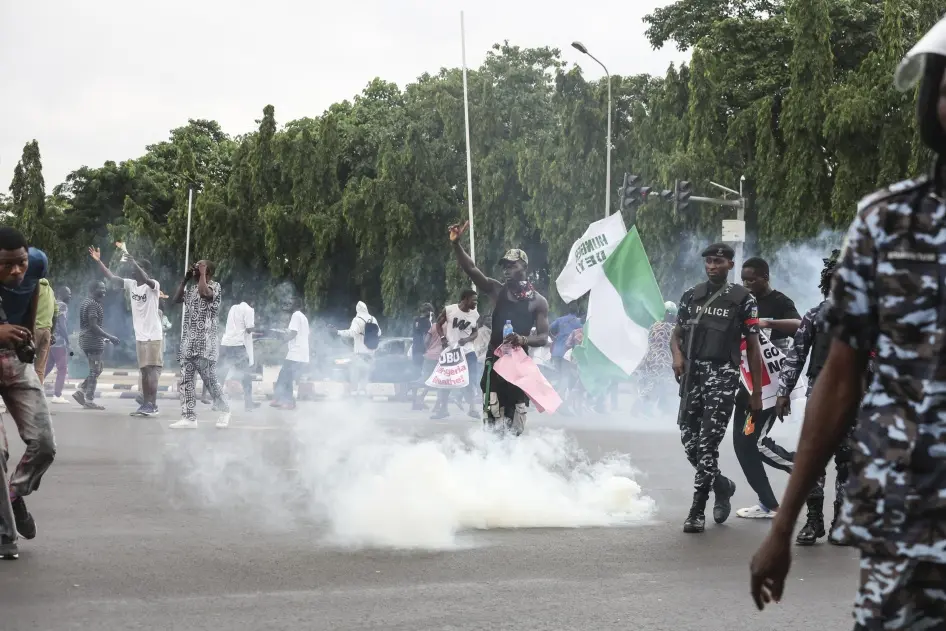
In recent times, movements like #OccupyAbuja have surged to the forefront of social media platforms, particularly on X (formerly known as Twitter), showcasing the deep-seated public unrest and significant social issues grappling Nigeria. This phenomenon not only highlights the current state of dissatisfaction among citizens but also underscores the pivotal role of social media as a tool for activism and civic engagement.
#OccupyAbuja, much like its predecessors in various parts of the world, is not merely a hashtag but a manifestation of collective frustration over governance, corruption, economic policies, and human rights abuses. It serves as a digital rally point, where voices from different walks of life converge, demanding ce, transparency, and accountability from those in power. The movement has brought to light issues that might have otherwise remained in the shadows, from the need for better public services to the urgent call for police reform and anti-corruption measures.
The power of #OccupyAbuja lies in its ability to mobilize, inform, and unite people. Social media platforms have transformed from mere communication tools into arenas where public discourse can challenge the status quo. They enable real-time dissemination of information, allowing for immediate responses from both the public and government officials. It’s a testament to how digital spaces can amplify voices that might be ignored in traditional media or political arenas.
However, this movement also reveals the double-edged nature of social media in activism. While it’s a powerful tool for organizing and spreading awareness, it’s also fraught with challenges like misinformation, cyberbullying, and the digital divide, which can skew public perception or limit participation to those with internet access.
The #OccupyAbuja movement, therefore, is a vivid illustration of how social media can serve as both a mirror and a megaphone for societal issues. It reflects the current pulse of the nation’s discontent but also amplifies it to a level where it cannot be ignored. As we watch this unfold, it’s crucial for all stakeholders to engage constructively, ensuring that the digital activism translates into tangible policy ces and improvements in the lives of ordinary citizens. This movement is not just about occupying physical or virtual spaces but about reclaiming the narrative and demanding a future where governance truly represents the will and welfare of the people.





I think the article overlooks the impact of traditional media in shaping public opinion during protests. Both social and traditional media play crucial roles.
I disagree with the articles view on #OccupyAbuja. Social medias power is overrated in sparking civic engagement.
This article fails to address the complexity of social medias role in activism. Are we overlooking its potential negatives?
I think the article overlooks the potential dangers of social media activism. Its not all sunshine and rainbows.
Wow, this article really got me thinking about the impact of social media on activism. Do you think #OccupyAbuja is a sustainable movement?