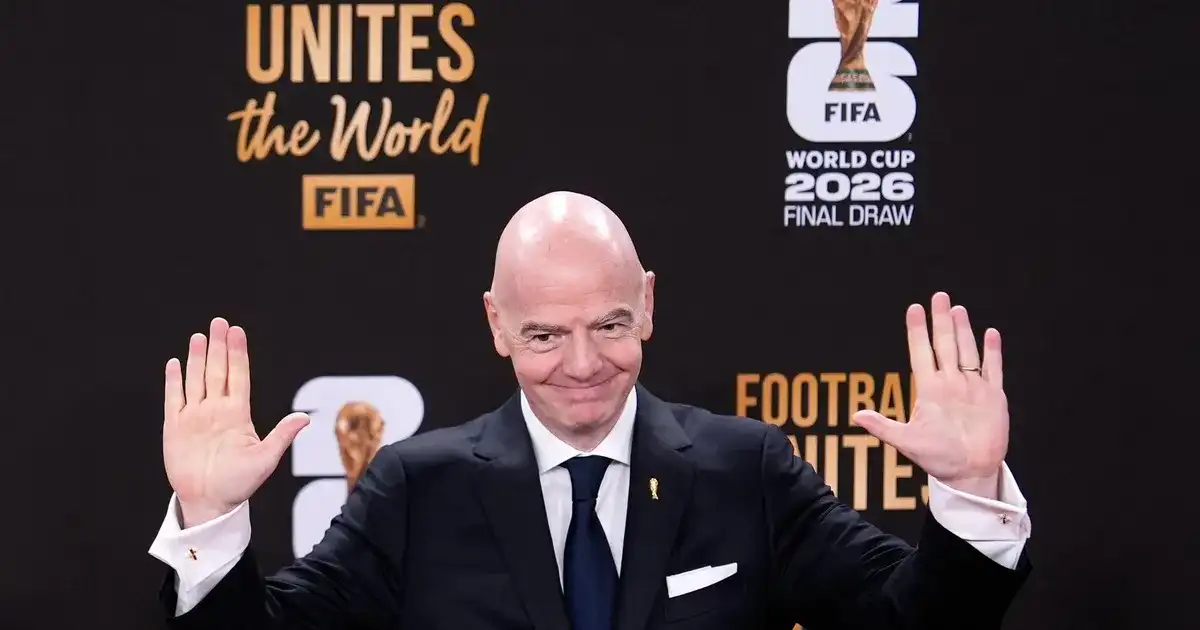
The 2026 FIFA World Cup draw in Washington, D.C. has revealed exciting group stage matchups, emphasizing both the opportunities and challenges of hosting the tournament across the United States, Canada, and Mexico. This edition expands the format to 48 teams, introducing new dynamics to the global football scene, including debutants like Cape Verde, Uzbekistan, Jordan, and Curacao, highlighting FIFA’s commitment to inclusivity.
However, concerns about the readiness of host cities have emerged, especially regarding logistics such as transportation and infrastructure, given the tournament’s vast geographical scope. Organizers are focused on meticulous planning to ensure smooth operations across the three countries.
Climate considerations are also paramount, with reports indicating that many host cities may experience high temperatures and humidity during summer. FIFA is looking into scheduling matches during cooler times and utilizing climate-controlled stadiums to mitigate potential impacts on player performance and fan experience.
Political tensions, particularly the U.S.’s visa policies affecting countries like Iran, further complicate preparations. Despite initial threats of a boycott over visa issues, Iran’s national team coach attended the draw, highlighting the sensitive intersection of sports and international relations.
Security concerns remain a significant issue, especially given the past presence of federal immigration agents at sporting events, which has caused apprehension among fans and local communities. Authorities emphasize that these measures are for safety, but the potential impact on attendance and fan experience raises ongoing debates.
In summary, while the 2026 World Cup promises unprecedented participation and global engagement, it faces considerable challenges that require collaborative efforts among FIFA, host nations, and local authorities for a successful tournament.







Do you think hosting the World Cup in countries with political tensions is a good idea? Will it affect the tournament?
Can we just focus on the game and leave politics out of it? Lets enjoy the matches! 🌍⚽ #FIFA2026 #FootballOverPolitics
Isnt it crazy how politics always seeps into sports? Cant we just enjoy the game without all the drama?
I cant believe the drama already unfolding for the 2026 World Cup! Cant wait to see how it all plays out.
Is it just me, or does the FIFA World Cup draw always seem to stir up controversy? Cant wait for the drama to unfold on the field!
Cant believe the drama already surrounding the 2026 World Cup draw! Who do you think will come out on top amidst all the chaos?