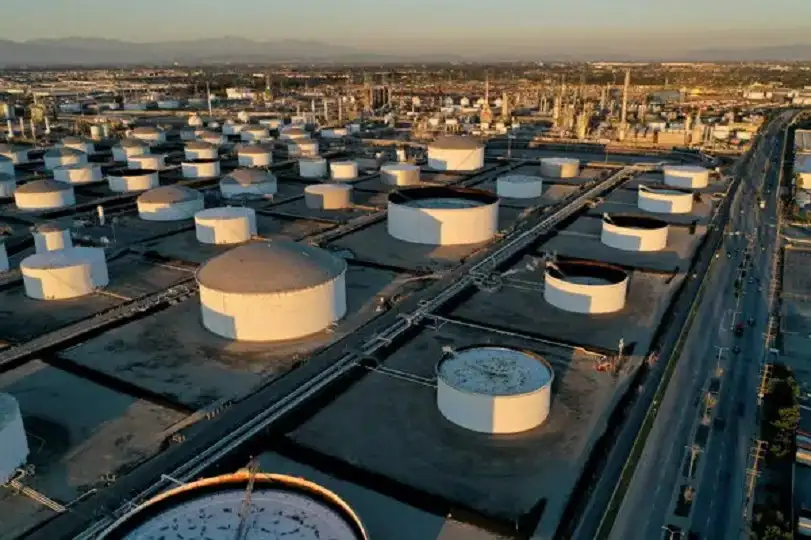
Africa’s oil wealth is concentrated in a few countries, leaving many nations with limited crude reserves that play only a minor role in their economies. In 2025, several African nations rank among the continent’s smallest holders of proven oil reserves.
At the bottom of the list is Morocco, with just 684,000 barrels, ranking 94th globally. Oil has little economic significance in the country, which relies heavily on imports while investing in renewable energy. Ethiopia follows closely with 428,000 barrels (95th globally), leaving its rapidly growing economy dependent on petroleum imports.
South Africa, Africa’s industrial powerhouse, has only 15 million barrels (83rd globally), relying primarily on imports to supply refineries and fuel markets. Benin and Mauritania have 8 million (90th globally) and 20 million barrels (80th globally) respectively, with oil contributing minimally to national revenue.
Niger and the Democratic Republic of Congo hold 150 million (58th globally) and 180 million barrels (55th globally). In both countries, oil is a small part of the economy, with Niger gradually increasing production and the DRC’s economy dominated by minerals like copper and cobalt.
Cameroon’s 200 million barrels (52nd globally) come from aging fields, reducing oil’s role in government revenue. Tunisia, with 425 million barrels (47th globally), faces declining production and growing energy imports.
Rounding out the list is Ghana, with 660 million barrels (40th globally). Though a newer oil producer in West Africa, Ghana’s reserves are modest, highlighting the country’s need to diversify its economy beyond petroleum.
These figures underscore the uneven distribution of Africa’s oil wealth and the growing importance for many nations to pursue alternative energy and economic diversification.






Interesting list but do oil reserves really determine a countrys potential? What about human capital and innovation? Just a thought.
I cant believe Nigeria is on the list! With their history in oil production, this is unexpected. What do you guys think?
I cant believe Equatorial Guinea made the list! Do you think theyll find more reserves in the future? 🤔
Can we really judge a countrys potential solely based on oil reserves? What about innovation and sustainable development? Lets discuss!
I cant believe Equatorial Guinea is on the list! They have oil rigs everywhere. Soing doesnt add up here.
Why focus on the smallest oil reserves? Lets shift the narrative to highlight African countries excelling in sustainable energy sources instead.
I cant believe Angola made the list! Their oil production has been declining, but who knows what the future holds.
Cant believe some African countries with small oil reserves are still heavily dependent on it. Time for diversification!